RetailTerminal
Retail Trading Analytics & Education2. Placing a Trade
Before executing any trade, ensure your setup satisfies all four fundamental execution pillars. Jump directly to a section below:
1. You Have an Edge
An edge is a repeatable process where macro fundamentals, technical confirmation, and risk management come together to give you a statistical advantage over the market.
Below is an example of an edge. If a large candle with high volume moves in the right (fundamental bias) direction, wait for the pullback before placing the trade.
Step 1: Fundamental Bias (Strong USD / Weak EUR)
Fundamental analysis in this example indicates a strong US Dollar and a weak Euro. This macro imbalance establishes a clear preference to trade short on EUR/USD.
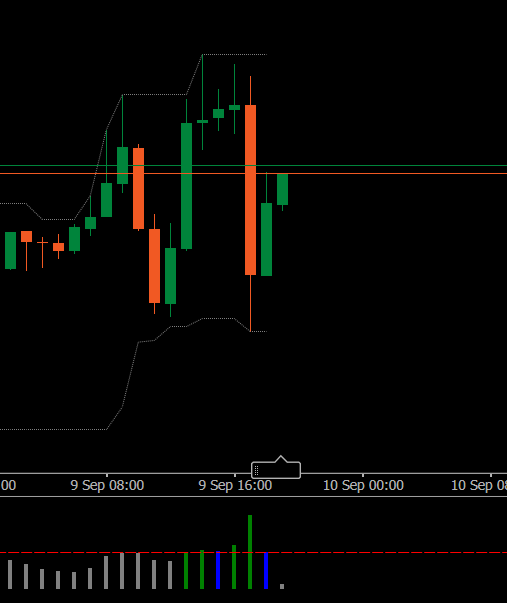
Step 2: Technical Confirmation (Breakout & Volume)
Technical analysis reveals a strong bearish candle breaking downward accompanied by high volume, confirming institutional selling pressure.
Step 3: Waiting for the Pullback
Rather than chasing price immediately after the breakout, wait patiently for price to pull back toward the broken support structure.
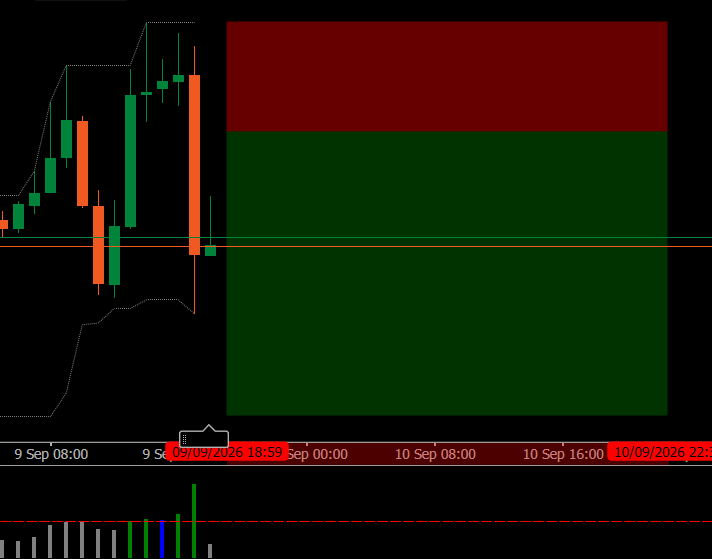
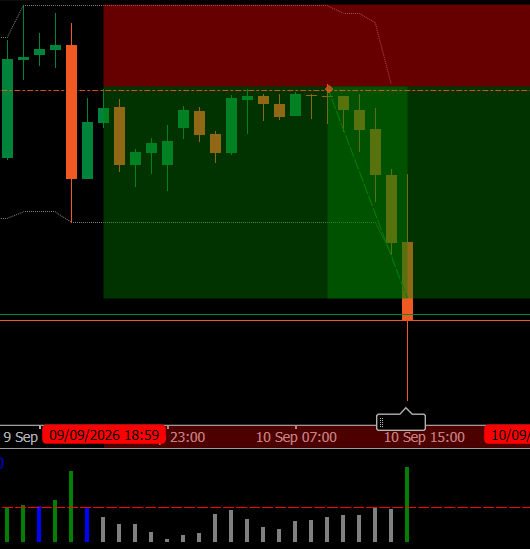
Step 4: Short Entry & Risk-to-Reward Execution
Once there is a significant pullback (e.g., 50%-61.8%), enter a short position on EUR/USD with a defined Stop Loss above the pullback high and a Take Profit set for a minimum Risk-to-Reward ratio of 1:2.
2. The Risk You Are Taking Has Been Determined
Never enter a trade without calculating your exact monetary risk in advance. Position sizing must ensure that a single loss represents only a small percentage of total capital (e.g., 1%).
3. A Fundamental Analysis Has Been Made in Advance
Fundamental context provides the directional driver behind price movements. Always align trades with interest rate differentials, economic growth dynamics, and central bank trends.
4. A Technical Analysis Has Been Made
Technical analysis delivers precise execution timing, structural entry levels, and clear invalidation points to execute the fundamental bias efficiently.